
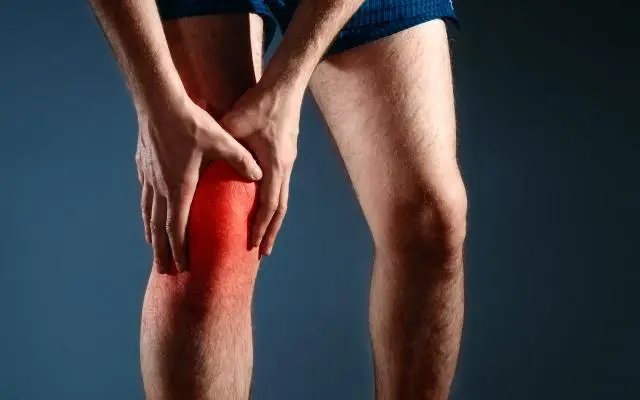
It is common to receive patients in the clinic alarmed because an MRI showed a 'torn meniscus', assuming the only way out is an arthroscopy to 'clean up' the knee. However, current medical evidence has drastically changed this perspective.
Recent studies with long-term follow-up (like the 10-year FIDELITY study) confirm that, for certain types of tears, surgery does not offer a better outcome than a well-structured physical therapy protocol. In fact, removing meniscal tissue unnecessarily accelerates joint wear.
In 30 seconds
After age 40, many meniscus tears are degenerative and part of the knee's natural wear and tear; they are not always the cause of pain.
Operating on a degenerated meniscus without a mechanical block does not improve long-term symptoms more than conservative therapy.
Removing meniscal tissue without necessity significantly increases the risk of needing a replacement in the future.
Arthroscopy remains the ideal treatment for acute traumatic tears (e.g., sports injuries) or when the knee presents real mechanical blocks.
Why don't we operate on all menisci anymore?
Historically, we assumed that if there was pain and the meniscus was torn, that was the direct cause. Today we know that, in middle-aged patients, the tear is often an incidental finding. The pain actually comes from early osteoarthritis or global joint inflammation.
Performing a partial meniscectomy (trimming the meniscus) in these cases does not stop the degenerative process and removes cushioning from a knee that is already starting to wear out.
When is surgery indicated?
Meniscal surgery remains an indispensable resource, but the key is patient selection. I recommend surgical treatment when:
There is a frank articular block (the knee gets stuck and cannot complete its range of motion).
It is an acute traumatic tear (common in soccer, padel, or strong twists) where the tissue is of good quality and we can suture (save) it instead of resecting it.
Rigorous conservative treatment (3 to 6 months of physical therapy) fails to relieve symptoms.
What is the alternative?
If surgery is not indicated, treatment focuses on joint preservation: optimizing gait mechanics, specific muscle strengthening (quadriceps and hamstrings), weight control, and, if necessary, joint injections to control inflammatory peaks.
Bottom Line
Before opting for the operating room for a meniscus injury, it is vital to define whether the tear is the true cause of the problem. Preserving the meniscus whenever possible is the best investment for the future of your knee.
If you have been recommended surgery and are looking for an updated clinical assessment, book your consultation in Quito (Edif. Fortune Plaza).
Contact
Medical note: this content is informative, based on current evidence, and does not replace an in-person medical evaluation.
